- Products
- Filling and BaggingBagging Machines7 models
Bagging machines for grain, fertiliser, pellets, coal and powders. 5–50 kg bags, ±50–200 g accuracy. Let us help you choose the right model.

M-DF1Double Gate Bagging Machine
M-DB1Double Belt Bagging Machine
M-SF1Single Gate Bagging Machine
M-SB1Single Belt Bagging Machine
M-SF2Economical Single Gate Bagging Machine
M-AF1Auger Bagging Machine
M-DB2-2LTwo-Station Double Belt Bagging Machine Pro
Big Bag Filling Machines1 modelBBF big bag filling machine for powders and granules: 500–2000 kg bags, 15–30 bags an hour, fed by gravity, belt or auger.
All Big Bag Filling Machines modelsLiquid Filling Machines1 modelWeigh-based liquid filling machine for jerrycans, tins, pails and drums: two-stage fast and slow filling, net or gross mode, Ex-proof option.
All Liquid Filling Machines modelsManufactured in Konya, Türkiye, with installation and serviceView all products - Vehicle ScalesTruck Scales5 models
Truck scales for surface or pit installation, with steel-reinforced concrete, I-beam or V-beam steel decks. 6–22 m long, 40–100 t capacity.

WB-X800FI-Beam Steel Platform Truck Scale
WB-X600V-Beam Bridge Type Truck Scale
WB-X800PI-Beam Steel Pit Type Truck Scale
WB-X400PSteel-Reinforced Pit Type Truck Scale
WB-X400FSteel-Reinforced Concrete Truck Scale
Manufactured in Konya, Türkiye, with installation and serviceView all products - CheckweighersCheckweighers1 model
Checkweighers that weigh every pack in motion and reject under- and overweight packs: CW, and MCW for compact lines. Rejection, reporting, retrofit.
All Checkweighers modelsManufactured in Konya, Türkiye, with installation and serviceView all products - Industrial ScalesHeavy Duty Scales6 models
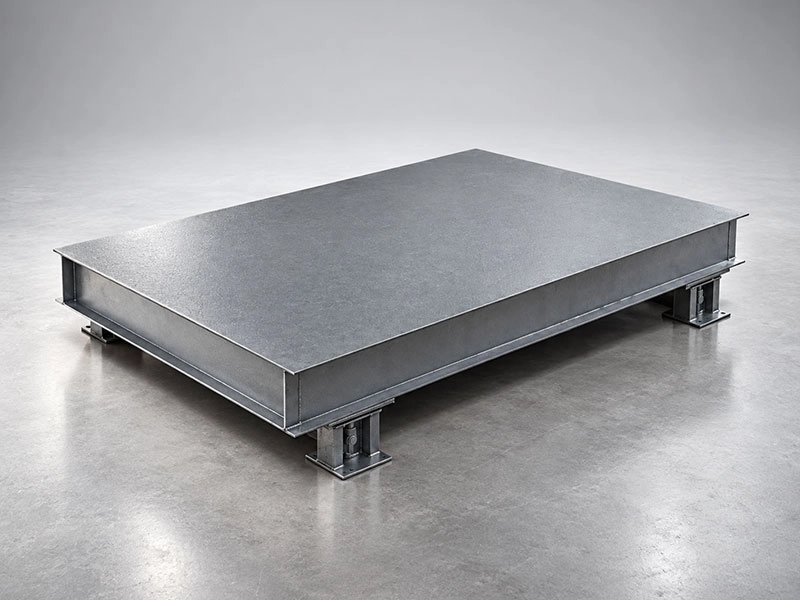
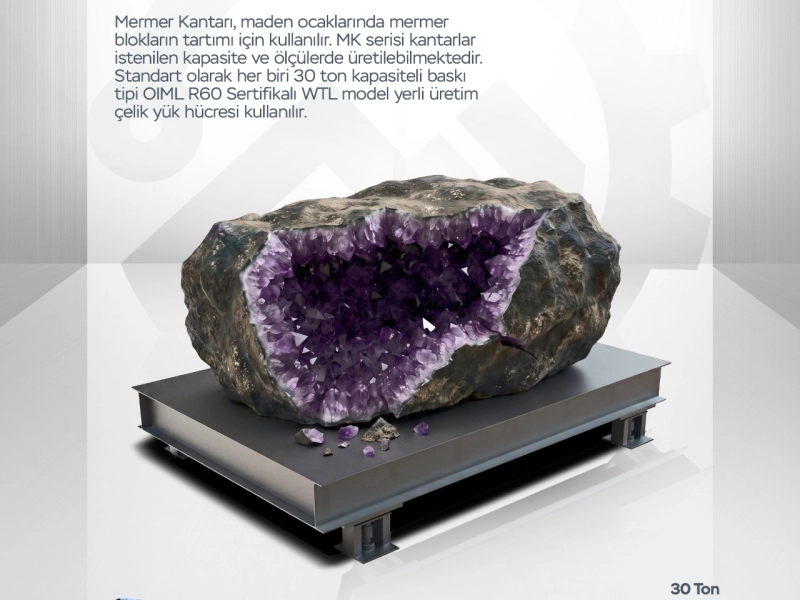
Heavy-duty floor scales: CP, TP, U-type pallet scale, MB modular, steel bar and marble scales. Four OIML R60 C4 load cells, sized to the load.
All Heavy Duty Scales modelsBench Scales1 modelBS single load cell platform scale: 30 kg–1.5 t, double-chassis electronic construction and dual-range weighing for bench and packing use.
All Bench Scales modelsMonorail Scales1 modelMonorail scales for abattoirs and meat plants: carcasses are weighed on the rail. Fitted to your existing line, stainless or galvanised.
All Monorail Scales modelsLivestock Scales2 modelsLivestock scales for cattle, sheep, goats and sacrifice shares: the 80 mm low-profile BBH, gated KBH and a 7-point share scale.
All Livestock Scales modelsManufactured in Konya, Türkiye, with installation and serviceView all products - Belt WeighersBelt Weighers1 model
BK belt weigher for weighing bulk material on the conveyor without stopping the line: 800–2000 mm belts, flows up to 6000 t/h.
All Belt Weighers modelsManufactured in Konya, Türkiye, with installation and serviceView all products - SectorsSolutions by sectorProduct groups used in your industryAgriculture and Livestock
Farms, feedlots and grain businesses.
Logistics and WarehousingWeighbridge yards, warehouses and dispatch.
Food, Flour and FeedPacking, filling and end-of-line checking.
Mining, Quarry and ConcreteBulk material and vehicle weighing.
Chemicals and PaintLiquid and powder filling.
Recycling and ScrapVehicle and platform weighing.
- SolutionsSolutions by needWhat do you need to weigh or fill?Vehicle and truck weighing
Surface and pit-mounted weighbridges for trucks and tractors.
Livestock weighingCattle and small livestock; low platforms for the farm.
Warehouse, production and benchFloor scales, pallet scales and single-cell platform scales.
Conveyor and bulk materialContinuous flow and totalised weight on the belt.
Bagging and fillingBag, big bag and liquid filling; automatic weighing lines.
End-of-line checkingWeighs packed products in line and rejects under- and overweight.